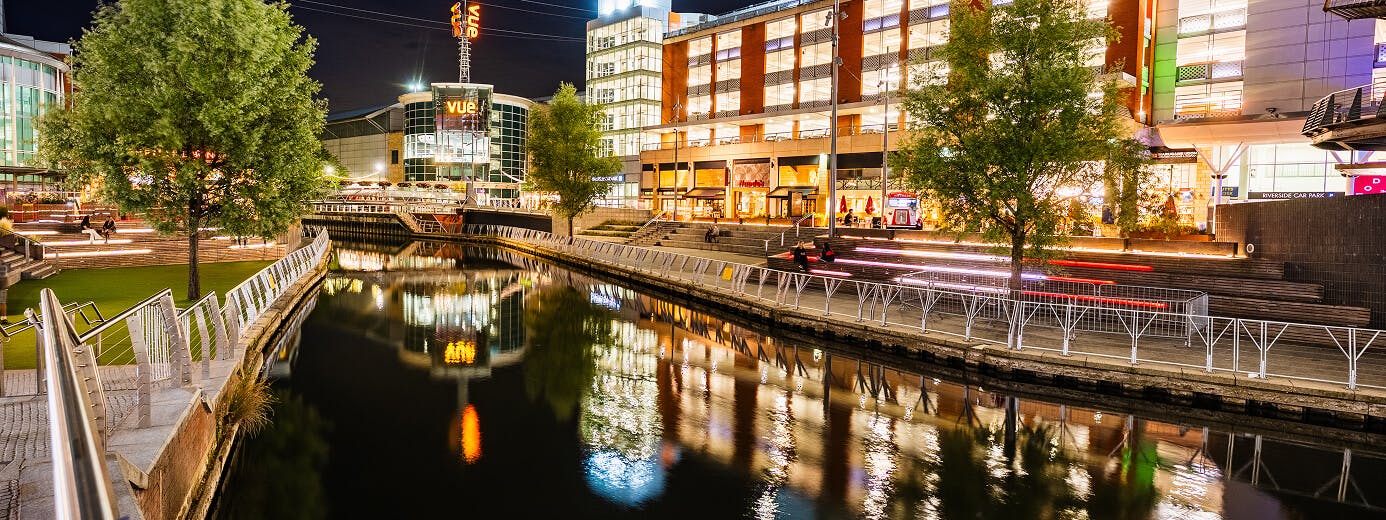
Things To Do In Reading During the 2026 Summer Holidays
Quick summary
- Reading is a great summer holiday destination with a mix of outdoor spaces, low-cost activities, and flexible indoor options for families.
- By combining riverside walks, parks, and simple activities with breaks at The Oracle, you can easily structure a full day without overplanning.
- Keeping plans simple—one main activity, outdoor time, and a reliable place to pause—helps create enjoyable, repeatable days throughout the holidays.
Walk the Thames Path and turn it into a play stop
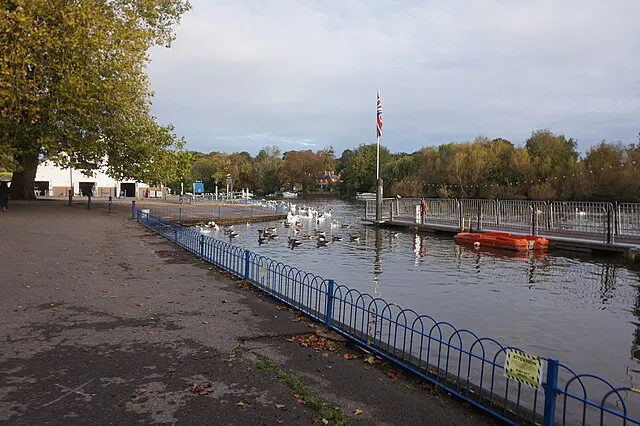
The stretch of the Thames Path near Caversham Bridge is one of the easiest ways to start a day in Reading. It is flat, scenic and wide enough for pushchairs, bikes, and groups walking at different paces.
In summer, it is worth treating this as more than a walk. Bring simple extras like a football, snacks, or even a small picnic setup. Early mornings are quieter if you want space, while late afternoons work well for a slower pace when the heat drops slightly. If you are with children, plan a loose “turnaround point” rather than a fixed distance, keeping the walk more flexible.
Practical tips:
- Start near Caversham Bridge for easy access
- Bring a blanket or simple ball games
- Allow 60–90 minutes depending on pace
Afterwards, it is an easy walk back towards The Oracle, where the riverside setting makes a natural next stop. You can keep things simple with a quick lunch or take a longer break, especially if you want to move from open space into something more structured.
Go bowling at The Oracle
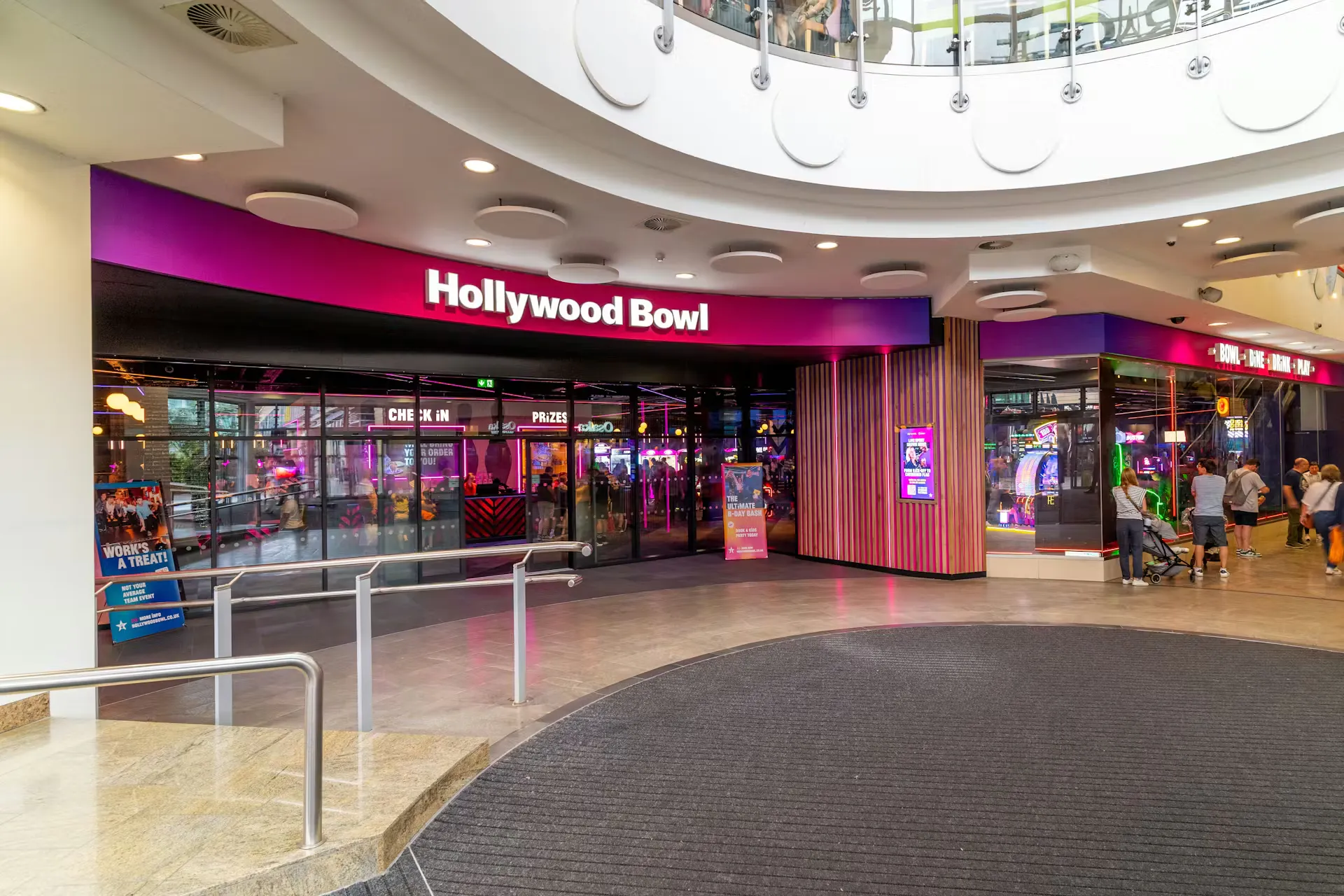
If you’re looking for something active and fun, bowling at The Oracle is one of the easiest options to drop into your day. It gives children a clear, structured activity without requiring a full afternoon commitment.
Games are quick to start, and the format keeps everyone involved, which makes it useful for mixed-age groups. You can keep it simple with one game or extend it depending on energy levels.
During the summer holidays, this works well as a mid-afternoon option, especially if the weather turns.
Why it works:
- Active without being exhausting
- Easy to understand and start quickly
- Suitable for groups and families
Plan for around 45–75 minutes depending on how many games you play.
Use Christchurch Meadows as a relaxed outdoor base
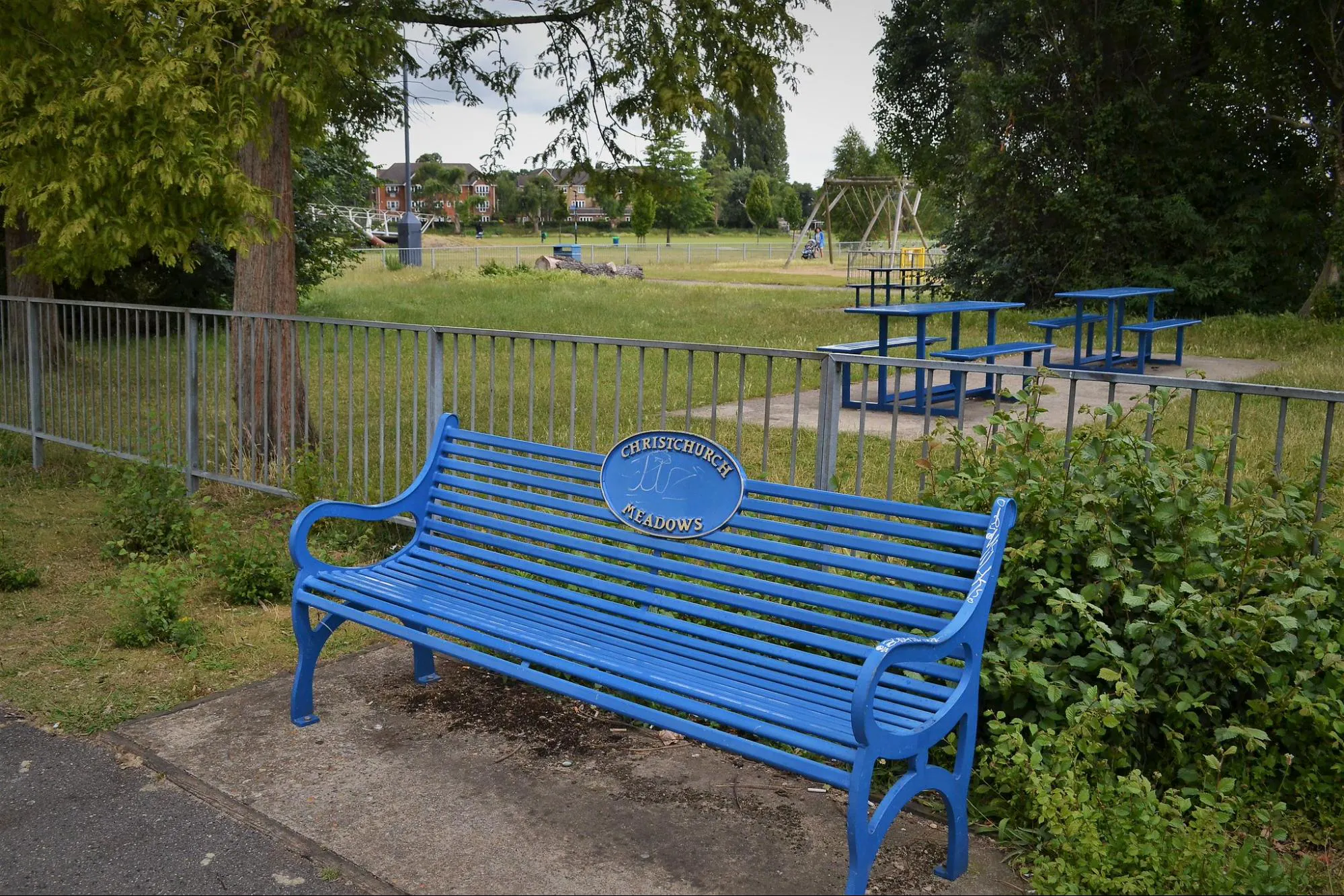
Christchurch Meadows is one of the easiest places in Reading to spend time outdoors. It combines open space, river access, and proximity to the town centre.
In summer, it becomes a natural meeting point for families and groups. You can keep things simple with a picnic, or use it as a break between more structured activities.
One of the advantages of Christchurch Meadows in the summer holidays is how easy it is to extend your time without needing to move on quickly. You can shift between sitting, walking, and light games. It is also close enough to central Reading that you can leave and come back if needed, which is useful if you are building a full day around multiple stops.
What makes it work:
- Plenty of space for informal games
- Close to cafés and takeaway options
- Easy walking distance from central Reading
From here, you are close enough to head back towards The Oracle for food or a break. It works particularly well if you want to split the day into outdoor time followed by something more contained, especially with younger children.
Plan a relaxed food stop and riverside break at The Oracle
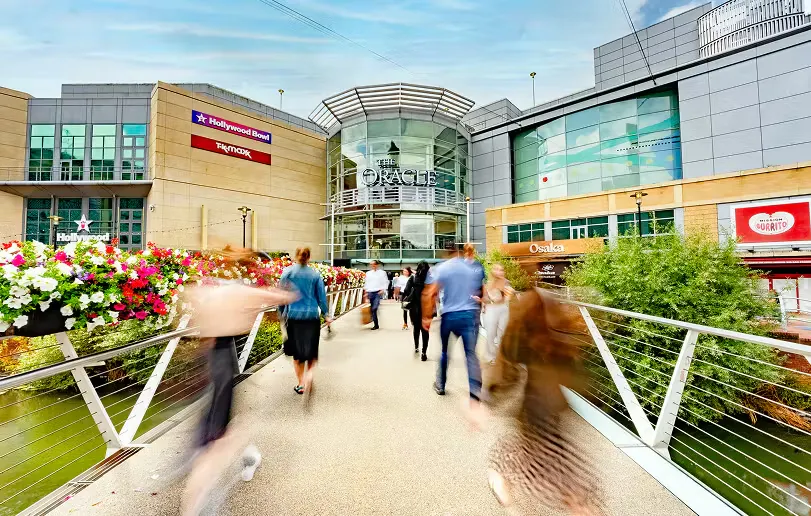
The Oracle works well as a reset point where you can pause, eat and decide what comes next.
The riverside setting gives you outdoor seating when the weather is good, while the range of restaurants makes it easy to find something that suits different ages. It is particularly useful in the middle of the day, when energy levels drop and you need a natural break.
You can keep things quick with a simple lunch or stretch it out into a longer stop depending on how the day is going. It also works as a transition point between outdoor time and indoor activities.
Why it works in summer:
- Flexible timing with no booking required
- Outdoor seating without needing to travel further
- Easy to combine with nearby activities
Allow 60–90 minutes depending on how long you stay.
Let younger kids reset at Palmer Park
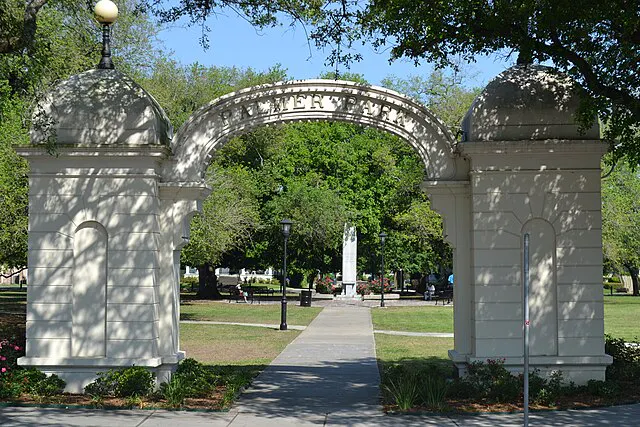
Palmer Park is one of the most practical family spaces in Reading. It offers a well-maintained playground, open areas, and seasonal features like splash zones.
For younger children, this is often the highlight of the day, giving them a space to play freely.
If you are planning around youngsters, this is one of the easier places to spend an extended period of time. In summer, bring spare clothes if water play areas are active, and aim to arrive earlier in the day to avoid peak times. It works particularly well as a mid-morning stop before lunch, when energy levels are high and children are more likely to engage fully with the space.
Practical details:
- Best for ages 3–10
- Free entry
- Good for 60–90 minutes
If you are heading back into central Reading afterwards, The Oracle is an easy reset point. Indoor seating, toilets, and a range of family-friendly food options make it a practical stop before deciding what to do next.
Catch a film at Vue Cinema at The Oracle

For a reliable break from the heat or a slower-paced afternoon, the Vue Cinema at The Oracle is one of the easiest options to drop into your day.
Summer holidays usually bring a steady rotation of family releases and daytime screenings, which makes it easier to find something that suits different ages. Mid-afternoon showings work particularly well if you want to break up a longer day. After a busy morning outdoors, sitting down for a film can help balance energy levels before deciding what to do next.
Why include it:
- Consistent indoor option regardless of weather
- Good mix of family-friendly films during summer
- Easy to pair with food before or after
Plan for around 90–120 minutes including arrival and seating.
Explore Forbury Gardens and Abbey Ruins
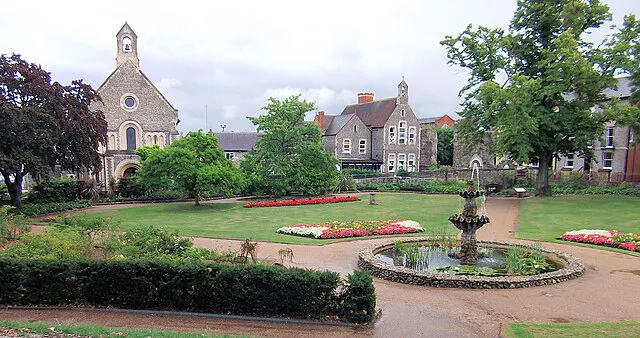
Forbury Gardens offers a mix of open space and local history without feeling heavy or overly educational.
The nearby Abbey Ruins add a visual element that makes the area feel more interesting than a standard park. It is an easy stop that can fit into almost any schedule.
This is one of those places that works best when you do not overplan it. Use it as a short stop between activities, especially if you are already moving through the town centre. In summer, even 30–45 minutes here can be enough to reset before moving on to something else.
Why it works:
- Central location
- Free and flexible
- Suitable for all ages
It is only a short walk from here to The Oracle, which makes it one of the easiest ways to extend your day without needing to travel further. You can move straight from a quick outdoor stop into food, indoor space, or a more structured activity.
Add a simple activity loop at The Oracle
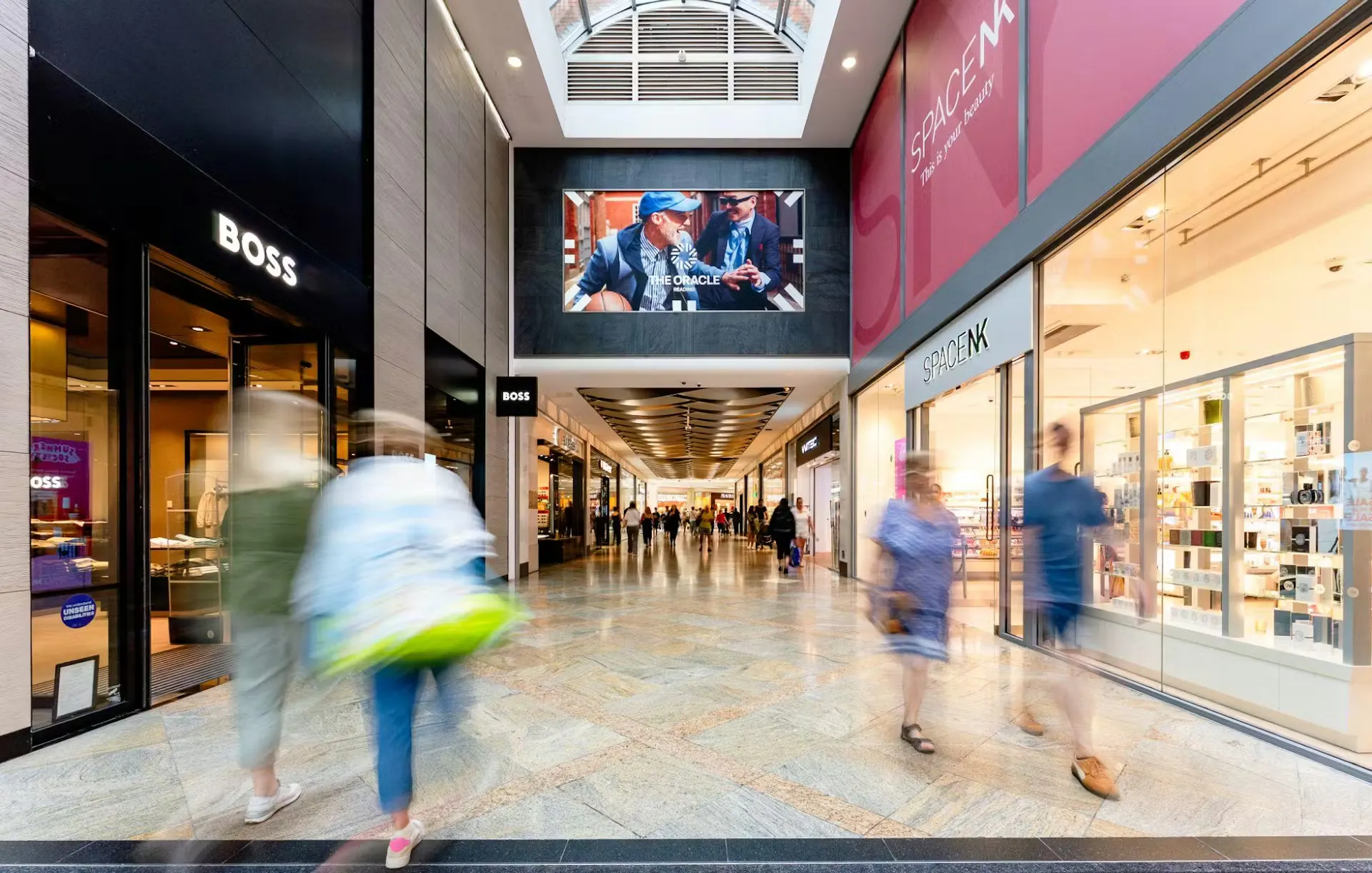
If you want something that feels like an activity without booking or committing to a fixed session, The Oracle works well as a flexible loop instead of a single stop.
You can start with a short riverside walk, move into something active like bowling, and then finish with food or a quick dessert stop. This kind of structure gives the day a clear shape without needing to plan multiple separate locations.
It is particularly useful on warmer days when you want to avoid overexertion but still keep things moving. You can adjust the pace as you go, stretching the time out or keeping it short depending on how everyone is feeling.
Key points:
- Works as a flexible “build your own” activity
- No booking required for most elements
- Easy to scale up or down
This is best used as a mid-afternoon option when you want to keep things simple but still feel like you have done something.
Spend time at Prospect Park
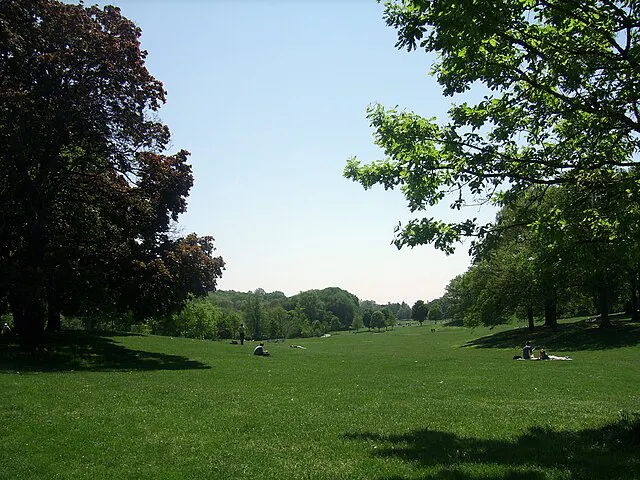
Prospect Park is another strong outdoor option, but with a slightly different feel to Palmer Park, with the wider park space allowing for more relaxed time outdoors.
It is useful when you want something slightly less busy than central options. The space is large enough to spread out, which makes it easier to manage groups or give children more freedom. If the miniature railway is running, it gives you a natural focal point, but even without it, the park works well as a slower, lower-cost part of the day.
What to expect:
- Seasonal railway operation
- Playground and open areas
- Good for 1–2 hours
It is a simple, low-cost option that adds variety to a family day.
Use The Oracle as your flexible summer base
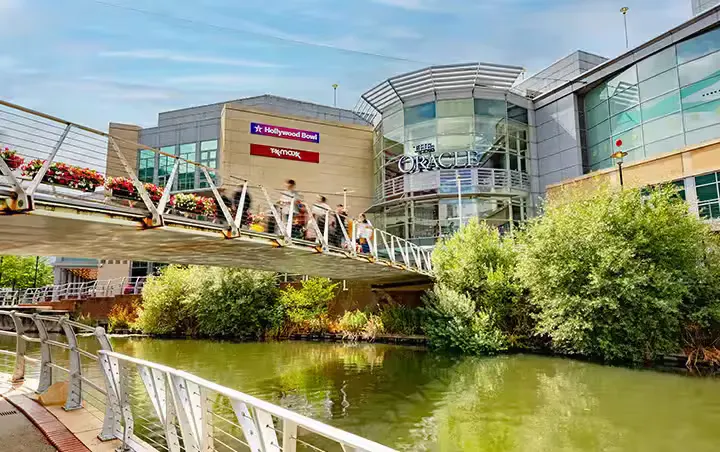
After a mix of outdoor time and structured activities, having one place where you can pause, eat, and reset makes the day easier to manage. The Oracle is designed for exactly this, especially during the summer holidays when plans often change.
Its riverside setting gives you outdoor seating when the weather is good, while the mix of restaurants makes it easy to find something that works for different ages. Options like Wagamama, Pizza Express and Nando’s are all straightforward choices for families, with menus that are easy to navigate and quick to serve.
It is also one of the most reliable indoor fallbacks in Reading. If the weather turns, the cinema gives you a clear next step without needing to rethink the entire day. Even a short stop for food or a break between activities can reset energy levels and make the rest of the day easier.
In practice, this is what allows the rest of your plans to stay flexible. You can move between outdoor spaces and activities knowing you always have a central place to return to.
Planning your day in Reading
How to plan a summer holiday day in Reading
The easiest way to make the most of Reading in the summer holidays is to keep your plans simple and flexible. You do not need to fill every hour, you just need the right mix of activity and downtime.
A structure that works well for most families:
Morning (higher energy)
Start with an outdoor activity like a park, riverside walk, or open play space. Mornings are usually quieter, and it is easier to get children engaged early in the day.
Midday (reset and refuel)
Plan a relaxed food stop or picnic. This is also the point where you can decide whether to continue outdoors or switch plans depending on energy levels and weather.
Choosing somewhere central like The Oracle for this stop makes it easier to adapt the rest of the day, especially if you need to shift plans based on weather or energy levels.
Afternoon (structured or indoor option)
Use one booked or defined activity such as climbing, a cinema visit, or an escape room. This gives the day a clear second focus without needing constant decision-making.
Keep one backup option in mind
Summer weather is unpredictable, so having one indoor fallback makes the day much easier to manage. Even a simple change of pace can reset everyone quickly.
The key is to avoid overplanning. Two or three well-chosen activities, with space in between, will usually feel more enjoyable than trying to fit everything in.
Free ways to stretch your day further
If you are trying to make the most of the summer holidays without increasing costs, small choices can make a big difference across a full day.
Simple additions that work well in Reading:
- Bring basic games like a ball or frisbee to extend park time
- Plan one paid activity at most, and keep the rest of the day free
- Use riverside or open spaces as natural breaks between activities
- Build in short “pause points” rather than moving constantly
These small adjustments help turn a couple of hours out into a full, relaxed day without needing to add more structured plans or fork out a lot of money on keeping busy during the summer holidays.
Final thoughts on summer in Reading
Reading works best in the summer holidays when you keep things flexible and build your day around a few simple, well-timed activities. A mix of outdoor space, one structured option, and a reliable place to pause is usually all you need.
With the right balance, it is easy to put together days that feel full without being overplanned, giving you options to adapt as the weather changes and energy levels shift. That is what makes it a practical choice for repeat visits across the summer, not just a one-off day out.
